 a brand of
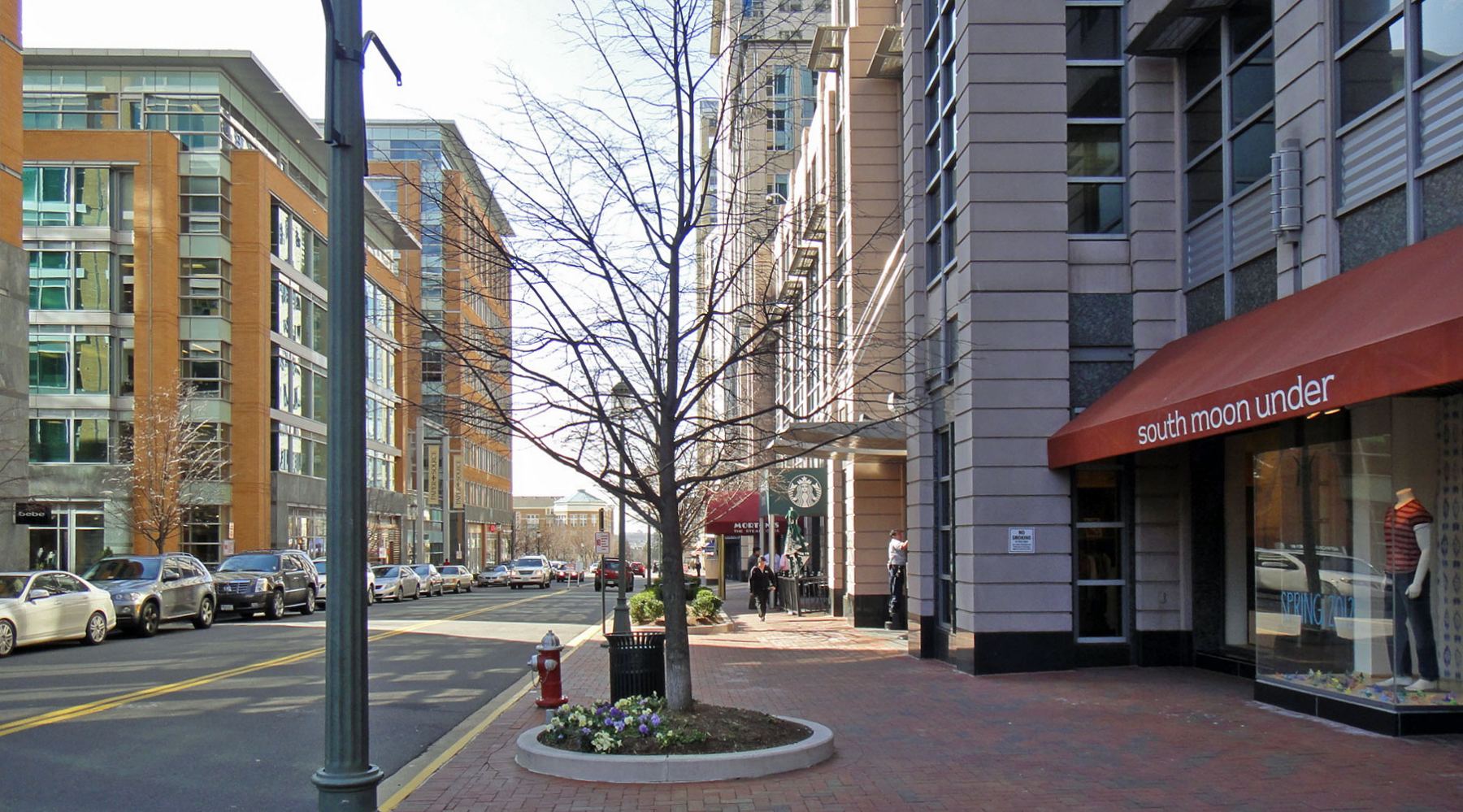

Retail security from GRDX puts uniformed loss prevention officers in stores and shopping centers across Northern Virginia, D.C. and Maryland to deter shoplifting and organized retail theft. Officers watch entrances and high-theft aisles, support staff during confrontations, and document each incident with time-stamped photo reports.
How does a security officer reduce shoplifting?
Mostly by being seen. Casual shoplifters choose stores where nobody is watching, and a uniformed officer near the entrance changes that math.
Officers also walk the aisles where losses concentrate. In a pharmacy that might be razors and baby formula. In a hardware store, power tool batteries. In apparel, denim and fragrance. We ask your store manager where the counts come up short and post accordingly.
Timing matters too. Losses often spike right after shift change, in the last hour before close, and on weekend afternoons when the floor is packed and associates are pulled in every direction.
Organized retail theft crews
Organized retail theft is different from a single shoplifter: groups hit a store fast, often clear a shelf, and leave in a waiting car.
Crews scout ahead, distract staff and return to the same stores. An officer cannot stop every grab-and-run, and we will not pretend otherwise. What helps is early recognition, clear communication with staff, quick calls to police, and detailed reports that tie incidents together over time.
- Recognizing scouting behavior before a hit
- Radio or phone link with managers during an incident
- Plate, clothing and direction-of-travel notes for police
- Reports that connect repeat visits across weeks
Keeping store employees safe
Staff safety comes before merchandise, and officers are briefed that way.
Cashiers and floor staff often feel pressure to stop thieves themselves. That is how people get hurt. An officer gives employees someone to call and a plan to follow, and handles the conversation with an angry customer at the return counter.
Officers are told plainly that no pair of jeans is worth an injury. When a thief runs, the officer records the details and lets them go, then helps the manager file the report.
Confrontations
Officer steps in so staff do not have to.
Closing time
Last walk-through and escort to cars.
Communication
A direct line between officer and manager.
Shopping centers and strip malls
For centers, the officer covers common areas and parking rather than one store's floor.
Loitering at the entrance, car break-ins in the lot and disputes outside a restaurant all affect every tenant. Fixed posts and vehicle patrol can be combined across the property.
| Site | Typical coverage |
|---|---|
| Single store | Officer at entrance and high-theft aisles |
| Strip center | Vehicle patrol plus peak-hour foot post |
| Grocery anchor | Door officer during busy hours |
| Holiday season | Added officers, extended hours |
Return fraud and checkout problems
Not all retail loss walks out the front door; some comes back through the return counter.
Receipt fraud, returns of stolen goods and gift card scams tend to cluster around the same customer service desk. An officer nearby gives associates confidence to say no, and keeps an argument at the counter from becoming a scene.
Self-checkout adds its own issues. Items skip the scanner, produce codes get swapped, and staff are stretched too thin to watch. Officers posted near those lanes during busy hours give your team a second set of eyes without turning the store into a fortress.
Reports that hold up, and a store visit to start
Each incident gets a time-stamped report with photos, written so a detective or insurer can follow it. Supervisors inspect posts, every officer is licensed and verified before scheduling, and any officer can be replaced on request.
Store managers see the same reports we do, so trends are visible early: which day of the week sees the most incidents, and whether a crew is cycling back every few weeks.
Call (833) 350-4739. We reply within one business day, visit during a busy hour, talk with your manager about where losses happen, and send a written proposal.
Questions
Can your officers detain shoplifters?+
That depends on officer type, jurisdiction and your store policy. We agree on a clear procedure with you before the first shift, with staff safety first.
Do you provide loss prevention for small businesses?+
Yes. Independent stores can book officers for their busiest hours rather than full days.
Can you help with organized retail theft?+
Officers help deter and document organized theft, link with police quickly and build reports across incidents. No one can promise to stop every crew.
Do you add officers for the holidays?+
Yes. Seasonal coverage can be added for November and December or any high-traffic period.
Can I get an armed officer for my store?+
Armed officers are available. We will discuss whether armed coverage fits your store and policy during the visit.
Can an officer stand near self-checkout?+
Yes. Officers can be posted near self-checkout lanes during peak hours to deter skipped scans and support staff.