 a brand of
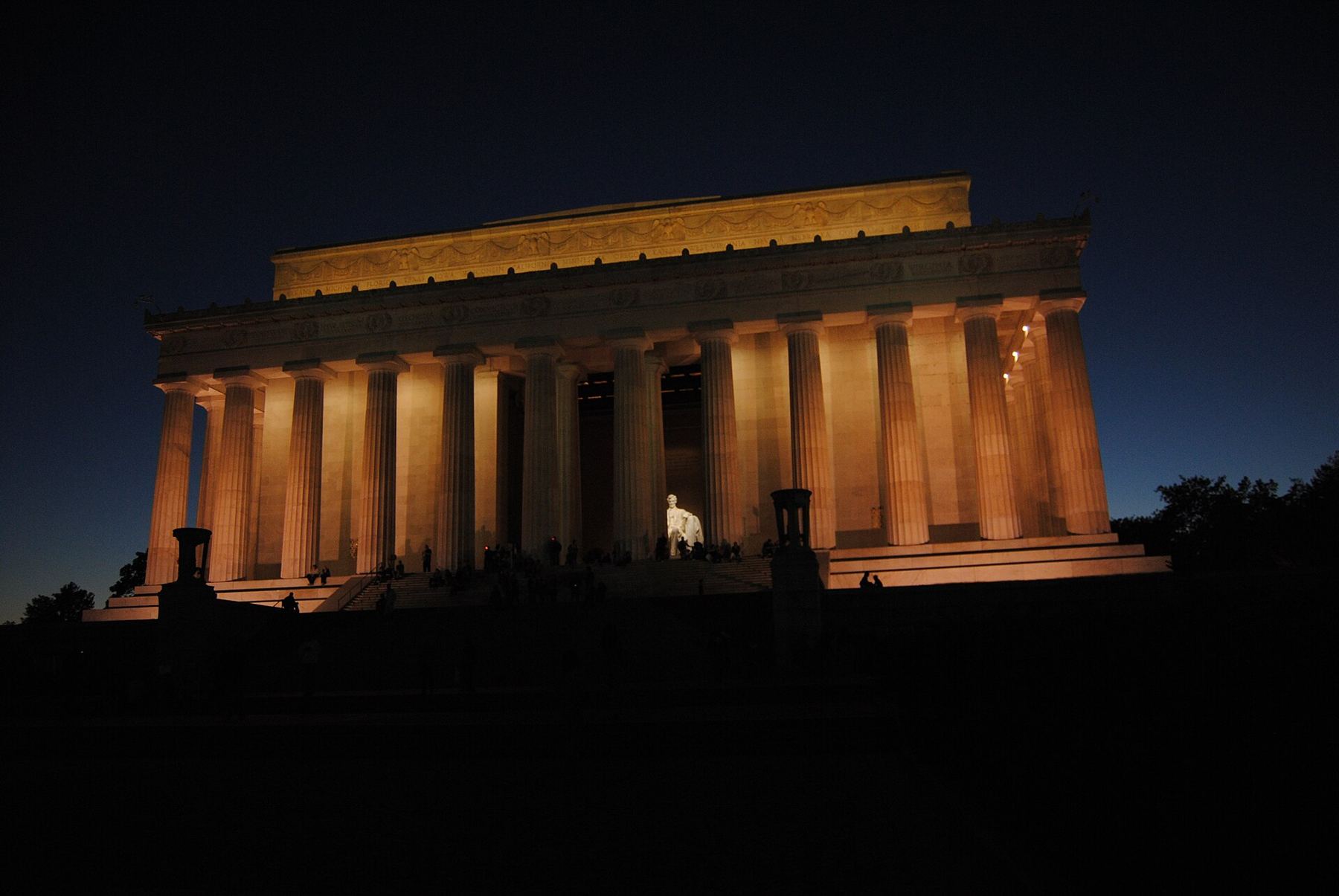

Executive protection is personal security for an individual: close protection agents beside the principal, advance work on every venue and route, and secure transport between them. GRDX provides it in Washington, D.C., Northern Virginia and Maryland for executives, families and visiting guests, planned with a written brief before day one.
What does executive protection cover?
Executive protection covers three things: who stands next to the principal, what was checked before they got there, and how they get from place to place.
Size varies a lot. One agent who also drives can be enough for a low-risk evening. A visible principal with a known threat may need a team, a second car and someone working the venue ahead of time.
Close protection
An agent or team at the principal's side, managing who gets near.
Advance work
Venues walked, exits found, hospitals and police stations noted.
Secure transport
Drivers, routes and pickup points worked out ahead of time.
What happens during advance work?
During advance work an agent goes everywhere the principal will go, before they go there. It's the least visible part of protection and the part that prevents most trouble.
A good advance answers dull questions. Where does the car stop? Which door does the principal use? Where's the nearest trauma center, and how long is the drive at 5 p.m.? Who at the venue has the keys to the back hallway? If something goes wrong, nobody should be figuring that out on the spot.
Advance work repeats when plans change. A new restaurant at 4 p.m. means somebody goes and looks at it before 7.
- Walk each venue, entry and exit
- Time the routes at the hour they'll be driven
- Identify the nearest hospital and police station
- Meet venue staff and agree on a quiet exit
- Write it up in a brief the whole team reads
How visible will the protection team be?
As visible as you want. Some clients want a uniformed presence that tells people to keep their distance. Others want agents in business clothes who look like staff.
Low profile is the more common request. The agent sits two tables away at dinner, walks a few steps behind, and handles the car. Nobody at the table needs to know.
Who you are shapes the answer, too. Most of our protection work is for executives visiting the region, family members during a threat period, and organizations hosting a speaker or guest who draws attention.
Washington draws a steady flow of high-profile visitors. Some need a team for a week. Some need one agent and a driver for a single evening. We size the detail to the risk, and we'll say so if your situation calls for less than you expected.
How do we plan a protection detail?
Planning starts with a confidential conversation, then a written brief.
Plans change mid-detail. A meeting runs long, a dinner moves across town. The agent in charge adjusts the route and tells the supervisor, and the backup plan from the advance usually covers it.
- Call us and describe the principal, dates, places and any known threat.
- We assess risk and recommend team size, transport and level of visibility.
- A proposal follows in writing, and the first conversation commits you to nothing.
- Advance work happens before the principal arrives.
- A supervisor stays on call 24/7 for the length of the detail.
Can a detail cover travel between D.C., Virginia and Maryland?
Yes. Most of our details cross at least one line. A principal may sleep in Arlington, meet in downtown D.C., and dine in Bethesda.
GRDX holds licenses in all three: DCJS in Virginia, SOLB in the District, and the State Police in Maryland. The advance brief maps which rules apply on each leg, so nobody discovers a licensing gap in the middle of a drive.
Timing matters as much as paperwork here. Crossing the Key Bridge at 5:30 on a weekday is a different trip from the same crossing at 8 p.m., and the advance team drives it at the real hour.
What standards do protection agents meet?
They meet the standards every GRDX officer does, applied to a job with less room for error. Licenses are checked for each jurisdiction the principal will pass through. A Virginia home, a D.C. meeting and a Maryland dinner can mean three sets of rules in one day.
Agents work from the written advance brief, and a supervisor is reachable 24/7 for the whole detail. If the principal or their staff aren't comfortable with an agent, we replace the agent. No explanation required.
Leadership has spent careers around this kind of work. Deputy Chief Antoine Cook spent his police years with the MPD, in a city where moving protected people through traffic is a daily event.
Questions
Can I hire a bodyguard for one day in D.C.?+
Yes. Single-day details are common, especially for events and visiting guests. Give us the date, places and a sense of the risk and we'll scope it.
Are your protection agents armed?+
It depends on the detail and the jurisdictions involved. Armed agents carry the licenses required for each place the principal goes.
Do you provide drivers and vehicles?+
Yes, secure transport is part of the service. Routes, pickups and timing are planned during advance work.
Will you sign a non-disclosure agreement?+
Yes. Protection work is confidential by nature, and we're glad to sign your NDA before any details are shared.
What's the lead time for a protection detail?+
Earlier is better, because advance work takes time. For short-notice needs, call (833) 350-4739 and a supervisor will tell you what's possible.
Can you meet a principal at Dulles or Reagan National?+
Yes, airport pickups are a normal part of secure transport. The arrival point, timing and backup plan for a delayed flight are set during advance work.